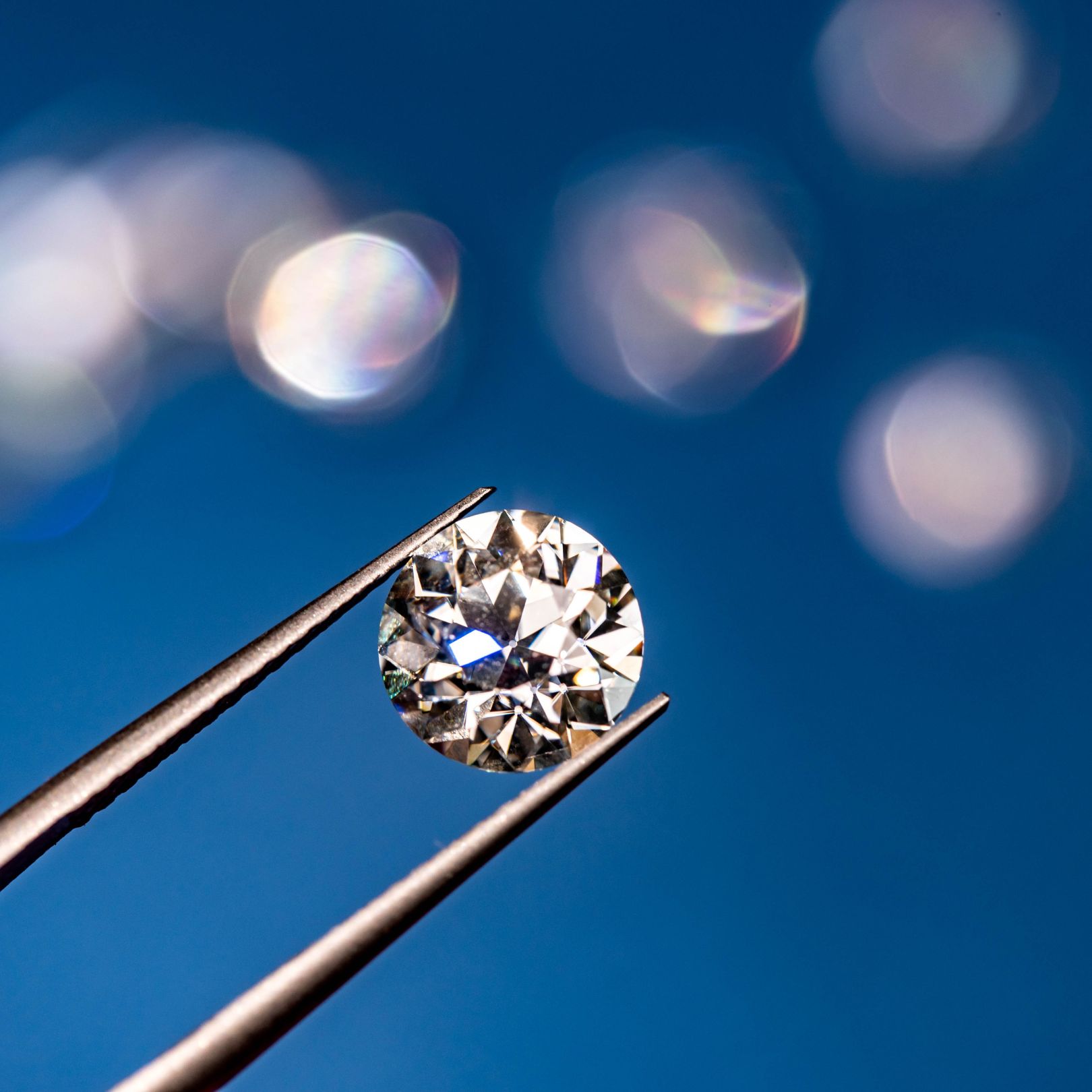

I’ve spent the better part of the last decade writing about style, culture and the little objects that carry big emotional weight, but few things stir people quite like engagement rings. Maybe it’s the symbolism, maybe it’s the pressure, or maybe it’s that odd mix of romance and finance that no one really prepares you for. Whatever the reason, white gold and diamond engagement rings continue to top wish lists across Australia, and after speaking with jewellers, couples and designers over the years, I can see why. They’ve got that quiet sort of elegance that doesn’t beg for attention, yet somehow always ends up being the standout piece in the room.
This article isn’t meant to tell you what you should buy. Instead, think of it as someone pulling out a chair at a café, sitting down with a flat white and saying, “Alright, here’s what’s actually worth knowing.”
Why White Gold Still Makes People Swoon
Most people don’t realise how personal metal colour preferences can be until they’re staring at a dozen ring trays under bright lights. You’ll hear things like “yellow gold washes me out” or “rose gold looks too trendy,” and then someone slips on a white gold ring and suddenly the whole group goes quiet.
White gold has that effect. It’s bright without being brash, modern without losing its sense of tradition. Jewellers tell me it’s chosen more often than not because it highlights diamonds in a way that feels clean and timeless. It gives you the sparkle without the distraction.
If you’ve ever compared metals side--side, you might’ve noticed that platinum and white gold can look nearly identical at first glance. But the experience of wearing them is different. Platinum is naturally white and heavier, while white gold gets its signature sheen from alloying gold with paler metals and then coating it with rhodium. That rhodium finish gives it a mirror-like brightness that, honestly, flatters most skin tones. And it’s lighter on the hand, which some people prefer for everyday wear.
And let’s be honest: there’s something about white gold that just feels right for today’s aesthetic. Clean, crisp, and quietly luxurious.
If you happen to be browsing styles, you might find it helpful to check out curated collections like these white gold and diamond engagement rings, which showcase how different cuts and settings change the whole mood of the piece.
Diamonds: The Classics, the Contenders, and the Changing Conversation
Diamonds have long been the “official” stone of engagement, though not because of some rigid rule. It’s more like a tradition that stuck due to a mix of clever marketing and genuine admiration for the stone’s durability and sparkle. But the diamond landscape is shifting, and that’s actually a good thing.
You might not know this, but diamonds aren’t just mined from the earth anymore. Lab created diamonds have become a major part of the conversation, and for plenty of Australians, they’re not just an alternative; they’re the first choice. They’re chemically and visually identical to mined diamonds, yet they avoid many of the ethical and environmental concerns that shadow traditional mining.
I met a couple last year who told me something that stuck: “It’s not about where the diamond came from. It’s what it represents.” It’s a simple sentiment, but it captures why the rise of sustainable stones feels like such a natural evolution. If you’re curious about how they fit into the global market, this deep dive on lab created diamonds gives a surprisingly interesting look at trends and consumer mindsets.
What’s changed most, though, is that people no longer feel compelled to buy something just because previous generations did. They’re choosing stones based on values, price transparency and personal style.
And, frankly, it’s refreshing.
Cuts and Settings That Actually Matter in Real Life
I’ve lost count of how many conversations I’ve had that start with, “I don’t know a thing about diamonds,” and end with, “Now I can’t stop seeing the difference between a round brilliant and an oval.” Once you understand the basics, the process becomes a lot less overwhelming.
Here’s how people usually discover their preferences.
Round brilliants are the crowd-pleasers. They’re reliable, sparkly and easy to match with almost any setting. Ovals have been having a bit of a moment, partly because they look generous on the hand and have a soft, romantic feel to them. Emerald cuts appeal to the minimalists. They don’t dazzle in a traditional way; instead, they glow, and you can see right into the stone. It’s sophisticated, almost serene.
The setting, interestingly enough, shapes the personality even more. A solitaire is understated and confident. A halo brings more sparkle without a huge jump in cost. A bezel is practical, sleek and perfect for active lifestyles. And then there are vintage-inspired designs that mix milgrain, filigree and art-deco details in a way that feels like wearing a tiny piece of history.
What I hear from jewellers is consistent: choose a design that makes you smile every time you look at your hand. Trends change, but that feeling doesn’t.
White Gold Meets Diamond: A Quietly Powerful Duo
When you combine white gold with a bright, well-cut diamond, there’s this sense of balance that’s hard to beat. The metal frames the stone so the diamond almost looks suspended. It catches the light without shouting for it.
I once watched a jeweller demonstrate this effect under standard shop lighting versus natural daylight. Under both, the diamond on white gold simply outperformed the other metal options. Not in a dramatic, over-the-top way, but with a softer elegance. You know when someone has great taste but doesn’t need to tell anyone? That’s the energy this pairing gives.
There’s another practical perk: white gold tends to work across a broad range of personal styles. From people who love clean Scandinavian minimalism to those who dress like they’ve just stepped out of a vintage market, the metal adapts. If you’re gifting it, that versatility can be a lifesaver.
The Price Question (The One Everyone Avoids at First)
Money always comes up eventually, so let’s talk about it without the awkwardness.
White gold usually hits the sweet spot between durability, beauty and affordability. It looks luxurious without carrying the premium price tag of platinum.
Diamonds, though, can swing wildly in cost depending on size, cut and quality. This is where lab created diamonds open up options. People who once felt limited to a small stone are now choosing something larger or better cut because the pricing is more accessible. Others stick with mined diamonds because they prefer the tradition. Both are valid choices.
I’ve always believed it’s smarter to choose a stone that makes sense for your life rather than your status. Rings get worn, knocked, admired, bumped against doors, caught on jumpers and passed around tables at family dinners. Get something you can actually enjoy, not tuck away in worry.
Custom Design: When You Want a Ring That Feels Personal
Custom design used to sound intimidating, like it was reserved for people who knew gemstones the way sommeliers know wine. But that’s changed.
Couples are increasingly designing rings together, and the process feels more like an experience than a transaction. You look at stones, sketch ideas, play with metal textures and setting heights, and before you know it, the ring becomes a story you’ll retell every anniversary.
White gold works beautifully in custom settings because jewellers can sculpt it in intricate detail. Whether you want a flush-fit band, a delicate cathedral arch or a twist shank, the metal responds well to ideas that push beyond the standard catalogue.
Caring for White Gold and Diamond Rings
Rings do need some TLC if you want them to age gracefully. White gold’s rhodium plating will eventually wear down, especially if you wear your ring daily. It isn’t a crisis; it just means you’ll need a refresh every so often. Most jewellers offer plating as a quick service, and the ring comes back looking brand new.
Diamonds themselves are famously durable, but the setting around them isn’t invincible. It’s worth popping into a local jeweller once a year for a quick check. They’ll tighten prongs, give the ring a clean and make sure nothing’s shifted.
Think of it like a car service. A little maintenance now saves headaches later.
The Emotional Side No One Talks About Enough
People often say, “It’s just a ring,” but anyone who’s ever worn an engagement ring knows it’s not that simple. It becomes something you fiddle with during boring meetings, something you glance at when you’re stressed, something you take off carefully before swimming or moisturising.
It’s a daily reminder of a decision you made with someone you love.
When people choose white gold and diamond engagement rings, I think part of the appeal is that combination of simplicity and significance. It’s a design that doesn’t weigh on you, literally or figuratively. It becomes part of your routine, like a favourite watch or a signature perfume.
And yes, the aesthetic matters, but the emotional comfort matters more.
A Final Word for Anyone Starting Their Ring Journey
If you’re in the early stages, here’s the most honest advice I can give: take your time. Try different shapes, metals and styles. Ask questions that feel silly. Notice what makes you smile when you catch your hand in the light.
The right ring isn’t the one that gets the most compliments. It’s the one that feels like yours.
White gold and diamond engagement rings remain a favourite because they blend tradition with modern taste, and because they quietly adapt to whoever wears them. Whether you choose a mined diamond, a lab grown one or something entirely unexpected, the ring should feel like a celebration of your story, not an obligation.