
Introduction
In a world where global markets fluctuate like the tides, Singapore stands as a steadfast beacon for property investors. From its strategic location to its visionary governance, the island-state has maintained an uncanny ability to attract capital, even in turbulent times. With projects like View Penridge Showflat at Tengah and Chuan Grove Residences Showflat — whose showflats are now open to the public — offering a glimpse into the future of urban living, the question remains: Why does Singapore continue to dominate the hearts and portfolios of investors?
1. Political Stability: A Fortress of Predictability
Singapore’s reputation for governance excellence is unmatched. A government committed to long-term planning (think “Vision Singapore” and its 50-year roadmap) ensures policies are consistent, fostering investor confidence. The low-corruption index, efficient bureaucracy, and transparent legal framework protect property rights and streamline transactions. Even during global crises, like the 2008 crash or the pandemic, Singapore’s proactive fiscal policies averted market collapse, reinforcing its allure as a safe haven.
2. Economic Resilience: The Engine of Growth
Singapore’s economy is a well-oiled machine. With a GDP growth rate of 4.7% in 2023 (IMF data) and a strategic focus on innovation hubs (e.g., biomedical sciences, fintech), the city-state attracts multinational corporations. This economic powerhouse translates to high rental yields and asset appreciation. The Monetary Authority of Singapore (MAS) also shields the market from volatility with prudent interest rates and inflation control, ensuring property remains a stable investment vehicle.
3. Diversified Real Estate Landscape
Singapore’s property market is a mosaic of opportunities:
- Residential: From affordable HDB flats to luxury condos like Marina One, there’s a niche for every investor.
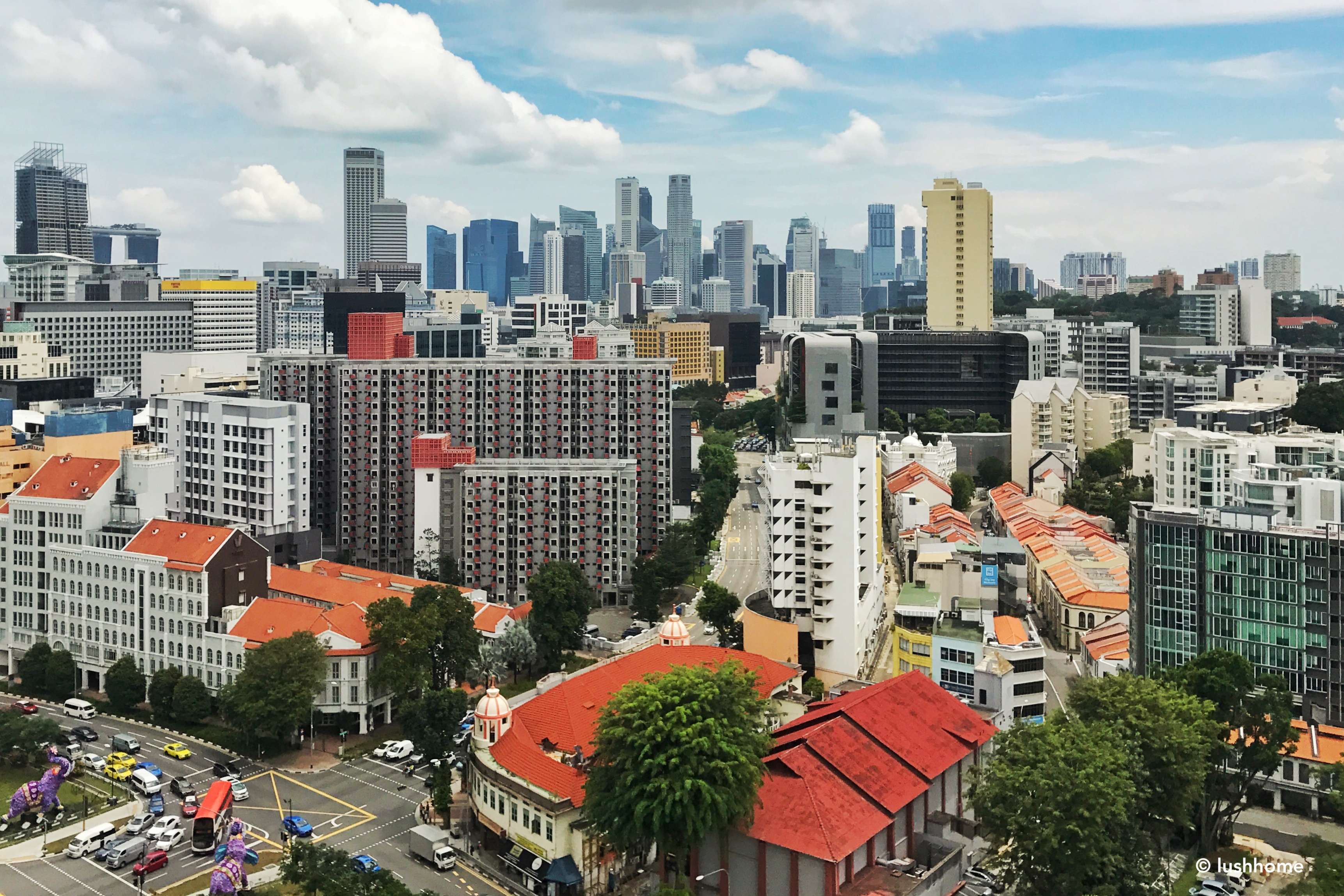
- Commercial: Iconic skyscrapers like Marina Bay Sands and Grade-A office spaces cater to global firms.
- Industrial: With the rise of logistics and digital infrastructure, warehousing has surged in demand.
Projects like View Penridge at Tengah and Chuan Grove Residences exemplify this diversification. The former, part of Tengah’s eco-conscious smart town, targets eco-savvy buyers with energy-efficient designs and future-proof amenities. The latter, a mixed-use development, merges retail, healthcare, and residential living, mirroring the demand for integrated urban communities.
4. Strategic Geography: Asia’s Gateway
Singapore’s position as the maritime crossroads of the Strait of Malacca makes it a logistics titan. It’s the regional HQ for 80% of Fortune 500 companies in Southeast Asia. This geographic advantage drives demand for both commercial and retail properties, ensuring steady rental income and capital growth.
5. Tax-Friendly Policies
Investors love Singapore’s tax efficiency:
- No capital gains tax on property sales.
- 0% tax on foreign-sourced investment income, paired with 64 double taxation treaties.
- Exemption on gains from private property disposals under certain thresholds.
These perks, coupled with a streamlined remittance system, make Singapore a tax-efficient gateway to Asia.
6. Sustainable Urban Planning: Building for the Future
Singapore leads in green real estate. Tengah, with its solar-powered homes and car-lite design, is a testbed for sustainable living. Projects like View Penridge showcase rainwater harvesting, vertical gardens, and energy-efficient layouts — aligning with global ESG (Environmental, Social, Governance) investing trends. Chuan Grove, with its wellness-centric design and integrated healthcare facilities, anticipates an aging population’s needs, adding long-term value.
7. Prime Quality of Life
Ranking #2 in the Mercer Quality of Living 2023 index, Singapore offers world-class healthcare, education, and safety. This attracts a skilled expat workforce, fueling demand for housing. Developers like the ones behind Chuan Grove understand this, offering bilingual schools, wellness centers, and co-working spaces tailored to international professionals.
8. Investor-Centric Market Dynamics
Despite limited land, the government has cultivated a demand-supply balance. Annual private residential supply targets, buffer stocks, and the Land Authority’s (SLA) monitoring ensure market stability. Plus, the Housing & Development Board (HDB)’s role in subsidizing affordable housing prevents social unrest and maintains a steady housing ladder for buyers.
Conclusion: The Golden Combination
Singapore’s appeal lies in its ability to marry tradition with innovation. Political stability, economic foresight, and sustainable planning create a trinity of trust. Investors know that in Singapore, property isn’t just an asset — it’s a legacy.