


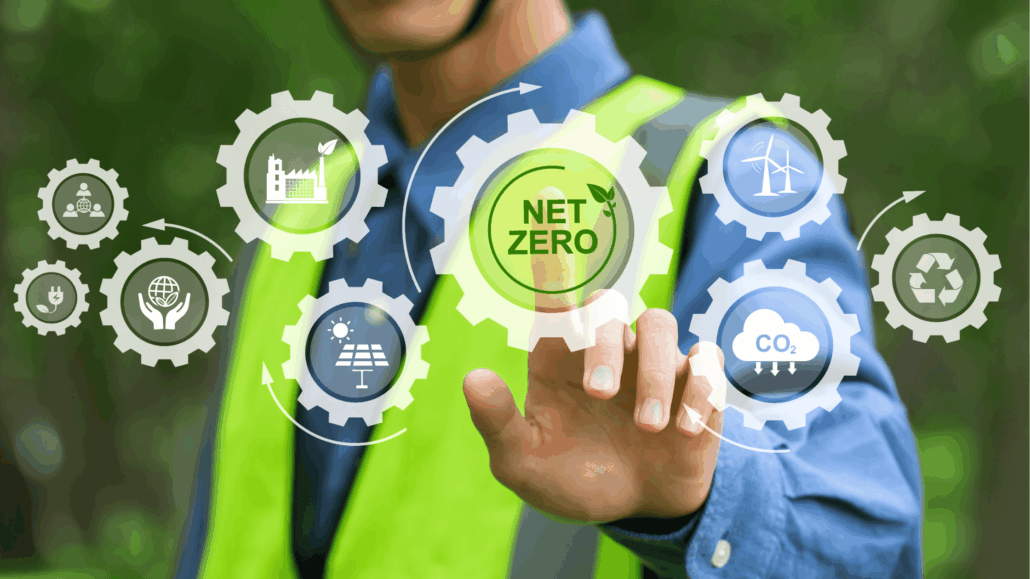
As governments, businesses and communities increasingly focus on sustainability, decarbonisation has emerged as a critical strategy for reducing greenhouse gas emissions and combating climate change. By systematically cutting carbon emissions across energy, transport, industry and buildings, decarbonisation supports the shift toward a cleaner, more sustainable economy.
What Is Decarbonisation?
Decarbonisation refers to the process of reducing carbon dioxide and other greenhouse gas emissions in human activities. It encompasses strategies such as transitioning to renewable energy, improving energy efficiency, electrifying transport, and adopting low carbon industrial processes. The goal is to minimise carbon impact while maintaining economic growth and energy security.
The Importance of Decarbonisation
Global carbon emissions are a leading driver of climate change, affecting weather patterns, sea levels, and ecosystems. Decarbonisation helps mitigate these impacts while also delivering economic and social benefits. Companies that prioritise decarbonisation can reduce operational costs, enhance energy efficiency, meet regulatory requirements, and strengthen their reputation with environmentally conscious consumers and investors.
Decarbonisation in the Energy Sector
The energy sector is central to decarbonisation efforts, as it accounts for a significant proportion of global emissions. Transitioning from coal, oil, and natural gas to renewable sources like wind, solar, hydro and geothermal is essential. Decarbonisation strategies also include adopting carbon capture technologies, improving grid efficiency, and integrating smart energy management systems.
Industrial and Corporate Decarbonisation
Industries such as manufacturing, cement, steel, and chemicals are major contributors to carbon emissions. Implementing decarbonisation measures in these sectors involves process optimisation, switching to low carbon fuels, and using energy more efficiently. For businesses, a decarbonisation roadmap can enhance resilience, reduce costs, and attract investment while meeting stakeholder expectations.
Transport and Mobility
Transportation contributes significantly to global emissions, making decarbonisation critical in this sector. Strategies include increasing electric vehicle adoption, developing sustainable fuels, expanding public transport infrastructure, and promoting modal shifts such as cycling or walking. These measures reduce emissions while improving urban air quality and public health.
Buildings and Infrastructure
Buildings are another key area for decarbonisation. Energy efficiency improvements, sustainable heating and cooling solutions, smart building technologies, and renewable energy integration can dramatically reduce emissions. Decarbonising the built environment not only lowers operational costs but also enhances occupant comfort and long term asset value.
Measuring and Monitoring Progress
Effective decarbonisation requires careful measurement, monitoring, and reporting of emissions. Organisations adopt carbon accounting frameworks, set reduction targets, and track progress over time. Transparency and accountability ensure strategies are effective, scalable, and aligned with global climate goals.
The Role of Policy and Collaboration
Decarbonisation is supported strong policy frameworks, incentives, and international agreements. Collaboration across governments, businesses, research institutions, and communities accelerates progress sharing knowledge, technology, and best practices. Partnerships enable large scale decarbonisation initiatives and drive systemic change.
The Future of Decarbonisation
As technology advances and awareness grows, decarbonisation is moving from a niche goal to a mainstream business and policy priority. Integrating renewable energy, electrification, efficiency measures, and carbon management solutions will shape the low carbon economy of the future. Organisations that adopt proactive decarbonisation strategies position themselves to thrive in a climate conscious world.
Decarbonisation is essential for mitigating climate change, enhancing sustainability, and creating economic and social value. By implementing strategies across energy, industry, transport, and buildings, organisations can reduce emissions, improve efficiency, and meet regulatory and stakeholder expectations. With careful planning, innovation, and collaboration, decarbonisation paves the way toward a cleaner, more resilient and prosperous future.