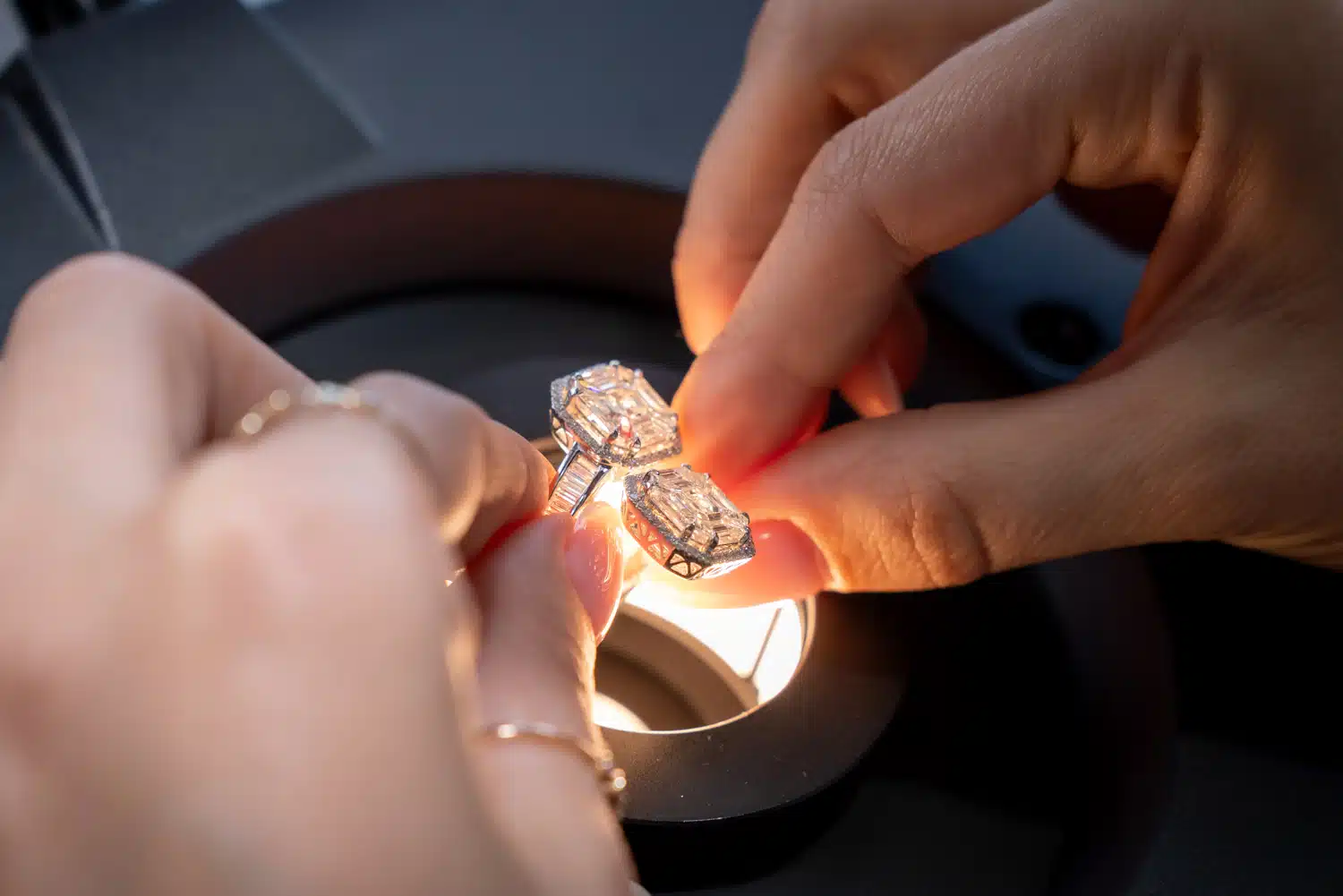

How Buying Diamonds Is Different Now
These days, picking a pave engagement rings feels different than before. Into the shop you went, once upon a time. Bright lamps lit up each stone while you stood and studied them. With few choices around, plus no clear details, paying what they asked seemed like the only way forward. Now things move another direction entirely. Now you look up quality on the internet. Reading verified reports comes next. Prices get checked at different stores. Design matters – yet so does how well it lasts. A clean, elegant look is what you aim for, minus extra costs for features that add nothing to beauty or strength. That mindset helps explain why lab made stones are common in today’s engagement rings. Buyers get a different choice, yet nothing alters the core appeal of a diamond. Sparkle remains unchanged. Hardness stays just as strong. Its inner framework? Still identical. Production method shifts – so does precision in quality and cost.
What Makes a Diamond Lab Created
A lab diamond begins life in a carefully managed space, where cutting edge techniques copy Earth’s deep heat and pressure. This gem isn’t some fake substitute – it shares the exact makeup of one pulled from rock. One way to make it involves mimicking nature’s recipe inside powerful chambers. Another path uses sudden bursts of energy to shape pure carbon into sparkle
- High Pressure High Temperature
- Chemical Vapor Deposition
One way or another, these lab created diamonds gems judged just like natural ones. Cut, clarity, color, and carat stay key factors here. When grades match, the stones often look almost exactly alike up close – source makes no visible difference. Take a brilliant-cut 1.5-carat stone with near-perfect clarity; its sparkle doesn’t depend on whether it came from deep underground or a controlled chamber.
Buyers Notice What’s Happening
For most folks buying rings, it’s about weighing cost alongside meaning. Not just price matters – feelings play a big role too. What lasts often depends on choices made quietly. Size fits into the picture more than some think. Emotions shift how details stand out. A moment becomes memory through small decisions. Meaning grows where attention goes first
- Appearance
- Budget
- Long term satisfaction
Most times, real diamonds mean tough choices. Pick a smaller one, or go for lower quality in how clear or well-cut it is. With lab made stones, that squeeze eases up some. For similar money, bigger gems come into reach – better specs included. Especially noticeable when the setting shows off facets from all sides. Across the band, pave settings spread tiny diamonds that blend into one shimmering line. Because the center gem meets the smaller ones smoothly, the whole piece looks neater. Balance comes naturally when those pieces connect without distraction.
How Pave Settings Affect Diamond Selection
Pave bands hold tiny diamonds snug against one another around the ring. Light dances across them without pause. With so much shimmer happening near it, the main diamond has nowhere to hide. If its shape lacks precision, flaws show fast. Most people start wanting the best possible cut. Once that’s settled, attention shifts to how clear or colorful a stone looks to the naked eye. When diamonds are set close together, using ones created in labs opens up options. Choices might include:
- A higher color grade
- A larger center stone
- Better symmetry and polish
- A more refined setting design
Just keep spending within what feels right for you.
Value That Isn’t About Cost
For sure, cost counts – yet there’s more to it than that. How a ring sits on your hand weeks down the line plays a part too
- Daily wear comfort
- Stone security
- Maintenance needs
- Visual balance
A stone too big for its hold can slip, causing daily annoyance. Beauty means little when fabric snags it each morning. What matters is how it moves with your fingers during tasks. Hands busy with labor need rings that sit close to the skin. Height invites trouble where motion never stops. A sleeker pave band might suit your taste if neatness matters. Satisfaction down the road leans on such choices, not passing fads.
Things to check before buying
A single flaw can hide behind even the best paperwork. Yet a trained eye often spots what tests miss. Look past grades printed on paper. Instead notice how light dances across its surface. Every stone tells a story if you take time to watch. Some sparkle instantly others need turning. Never trust numbers alone when your own sight reveals more
Cut Quality
A stone’s brilliance lives or dies its cut – nothing else comes close. A flawless diamond might still fall flat when the angles miss their mark. Choose “excellent” or “ideal” ratings wherever you can find them.
Certification
A smart move? Picking gems rated known labs like GIA or IGI. When the details on paper line up with what the seller shows, trust gets a little stronger. Ends better when numbers match what’s right in front of you.
Setting Construction
Pave work needs a careful eye. Small diamonds ought to sit in tidy rows, held firmly in place. Gaps show up when hands lack skill, letting stones shift later on.
Metal Choice
Metals like white gold, platinum, or yellow gold shift how things look in distinct ways. Brightness jumps out more beside cool-toned ones. Warmth spreads through the frame when yellow gold enters. Style matters most here – what feels right next to your skin beats chasing what’s popular. Trends fade, but fit stays.
Lab Diamonds What People Get Wrong
Most people mix up lab diamonds with fake ones such as cubic zirconia or moissanite. These aren’t the same thing at all. Unlike real diamonds, cubic zirconia wears down faster because it’s less tough. Light bends through moissanite in a way that stands out compared to a true stone. What grows in a lab? Still pure diamond. Just as hard, just as lasting – treat it right and it stays strong through time. Not every lab stone is low priced or badly done; that idea misses the point. Cut matters more than origin. One misshapen lab gem might dull next to a sharp natural cut. Grading tells part of the story. Craftsmanship finishes it.
Compare rings with better clarity
Most folks fixate on weight alone when sizing up stones. Yet a bulky diamond cut wrong often seems tinier day to day – its sparkle dulls fast without smart angles. Look closer at balance instead
- Cut precision
- Face up appearance
- Band width
- Setting style
- Finger coverage
Looking at pictures of rings you enjoy might reveal what stands out. Suddenly, a trend appears – maybe slim settings paired with big diamonds catch your eye. Or perhaps even spacing between details matters more than expected. One thing leads to another when small choices add up. Preferences show themselves without warning. Deciding feels less tangled after that.
Maintenance Still Matters
Even though diamonds resist wear, rings can suffer without attention. Because pave designs use little metal bumps to hold gemstones, those bits may loosen over time. Getting into routines makes a difference – like checking the band after travel or before special events
- Remove it during heavy lifting
- Clean it with mild soap and warm water
- Store it separately from other jewelry
- Have the prongs checked yearly
Loose stones become less likely when following these actions. Surface harm drops off, too, thanks to each move made earlier.
Modern Buyers Want More Control
Buyers today see every detail up close. Because specs line up side side, choices feel clearer. High-def clips show exactly how a stone catches light. From warm lamps to bright daylight, nothing hides. That openness shifts what feels fair. Brand names don’t justify steep prices like they once did. Quality you can see matters. So does usefulness in daily wear. Lab grown stones keep drawing interest because of this. For those eyeing bold designs plus top grades at lower prices, they make sense. Mined gems still hold their place though. Choices just got wider now. Priorities guide decisions differently today.
Common Questions People Have
Do lab diamonds last as long as mined diamonds?
True. Just like real diamonds, these share identical strength and makeup. With careful handling, they’ll endure for many years. Their resilience matches nature’s version in every way.
Most people cannot spot the gap between earth-grown and created stones.
Seeing the distinction isn’t something most can do eye. Tools made for the task are typically needed to trace where it came from.
Is it hard to keep pave settings in good shape?
Most times, those tiny stones ask for a bit extra care. Starting each check early keeps everything tight and safe.