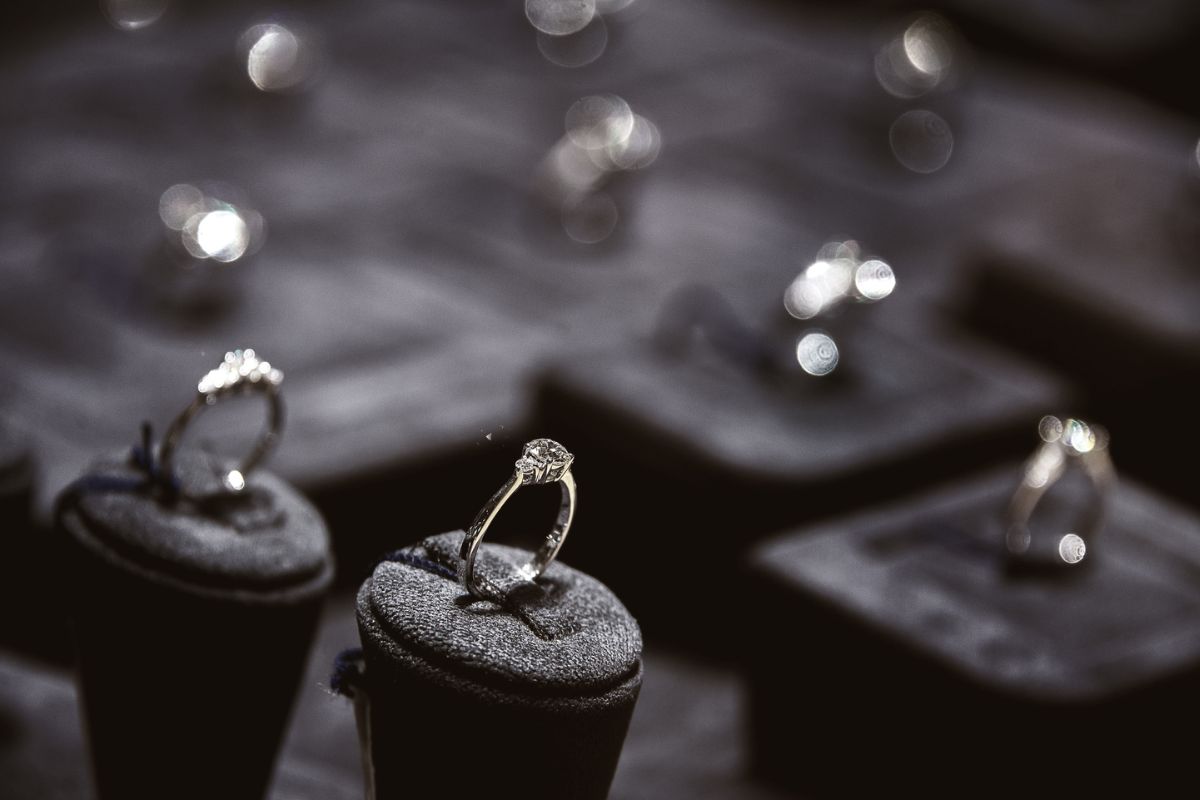

In recent years, there has been a growing debate between lab-grown diamonds and natural diamonds. As consumers become more conscious of environmental and ethical concerns, lab-grown diamonds have risen in popularity. However, traditional natural diamonds still hold a certain allure. In this article, we’ll break down the key differences, similarities, and everything you need to know about lab-grown diamonds versus natural diamonds.
What Are Lab-Grown Diamonds?
Lab-grown diamonds, also known as synthetic diamonds, are diamonds that are created in controlled environments, simulating the natural process of diamond formation. There are two main methods for creating lab-grown diamonds: High Pressure High Temperature (HPHT) and Chemical Vapor Deposition (CVD). These diamonds are chemically, physically, and optically identical to natural diamonds, making them a popular alternative for those looking for a more affordable and ethical option.
What Are Natural Diamonds?
Natural diamonds, on the other hand, are formed over millions of years under extreme heat and pressure deep within the Earth’s crust. The process involves carbon atoms bonding together, creating a crystal structure that gives diamonds their incredible strength and brilliance. Natural diamonds are mined from the Earth and can be found in specific geographic regions, making them rarer and more expensive compared to lab-grown diamonds.
Key Differences Between Lab-Grown Diamonds and Natural Diamonds
1. Origin and Production Process
Lab-Grown Diamonds: Lab-grown diamonds are created in a laboratory setting using either HPHT or CVD methods. These diamonds are cultivated in weeks or months, replicating the natural conditions found in the Earth’s mantle.
Natural Diamonds: Natural diamonds, as the name suggests, are formed in the Earth’s crust over millions of years through intense pressure and heat. The process of mining and extracting natural diamonds can be complex, and the rarity of these diamonds contributes to their higher cost.
2. Chemical Composition
Both lab-grown and natural diamonds share the same chemical composition: pure carbon atoms arranged in a crystal structure. This is why they are visually indistinguishable to the naked eye. While natural diamonds may contain trace impurities or inclusions from the environment in which they were formed, lab-grown diamonds are often purer due to the controlled conditions of their creation.
3. Cost Difference
Lab-Grown Diamonds: One of the most significant advantages of lab-grown diamonds is their affordability. Because they are created in a controlled environment and can be produced in larger quantities, they tend to be 20-40% less expensive than their natural counterparts of similar size and quality.
Natural Diamonds: Natural diamonds are more expensive due to their rarity and the complex process of mining and extraction. Additionally, lab grown diamonds vs natural diamond, the historical value and cultural significance of natural diamonds contribute to their higher price point.
4. Ethical and Environmental Considerations
Lab-Grown Diamonds: Lab-grown diamonds are often considered a more ethical and environmentally friendly choice. Since they are created in a lab, they do not involve the potentially harmful practices associated with diamond mining, such as deforestation, destruction of ecosystems, and the exploitation of workers.
Natural Diamonds: The diamond mining industry has faced significant criticism for environmental degradation, human rights violations, and contributing to conflict zones, known as “blood diamonds.” While there have been improvements in the industry with initiatives like the Kimberley Process, natural diamonds still come with ethical concerns for many consumers.
5. Durability and Quality
Both lab-grown and natural diamonds are incredibly durable and are rated 10 on the Mohs scale of hardness. Their brilliance, fire, and scintillation are also virtually identical. However, natural diamonds may have unique inclusions or variations that add character and uniqueness, which some consumers prefer. Lab-grown diamonds, contrast, can be created with fewer impurities, making them potentially flawless.
6. Value and Resale
Lab-Grown Diamonds: Lab-grown diamonds tend to depreciate faster in value because they are not as rare or historically significant as natural diamonds. Their resale value is generally lower than that of natural diamonds.
Natural Diamonds: Natural diamonds hold their value better over time. The rarity, historical significance, and perceived value contribute to their longevity in the resale market.
Which Option Is Right for You?
Choosing between lab-grown and natural diamonds comes down to your personal values, budget, and priorities.
Choose Lab-Grown Diamonds If:
- You are on a budget but still want a high-quality, beautiful diamond.
- You value ethical and environmental considerations and want to avoid supporting mining practices.
- You’re looking for a more affordable alternative without compromising on durability or appearance.
Choose Natural Diamonds If:
- You value the rarity and natural beauty that comes with a diamond formed over millions of years.
- You’re looking for a long-term investment, as natural diamonds tend to retain their value better.
- You are drawn to the historical and cultural significance associated with natural diamonds.
Conclusion: Lab-Grown Diamonds vs. Natural Diamonds
Both lab-grown and natural diamonds offer unique benefits, depending on what you value most. Lab-grown diamonds are an ethical and budget-friendly option that doesn’t compromise on quality, while natural diamonds remain a symbol of rarity, tradition, and luxury. Ultimately, the decision comes down to your preferences regarding cost, sustainability, and the emotional or symbolic value attached to your diamond.
Final Thoughts
In the growing world of jewelry, both lab created diamonds and natural diamonds have carved out their own spaces. With advancements in technology and growing awareness of sustainability issues, it’s clear that lab-grown diamonds will continue to play a prominent role in the diamond industry. However, for those who cherish the timelessness and rarity of natural diamonds, they will remain an enduring symbol of luxury and love.