
Lab Grown Diamonds Explained
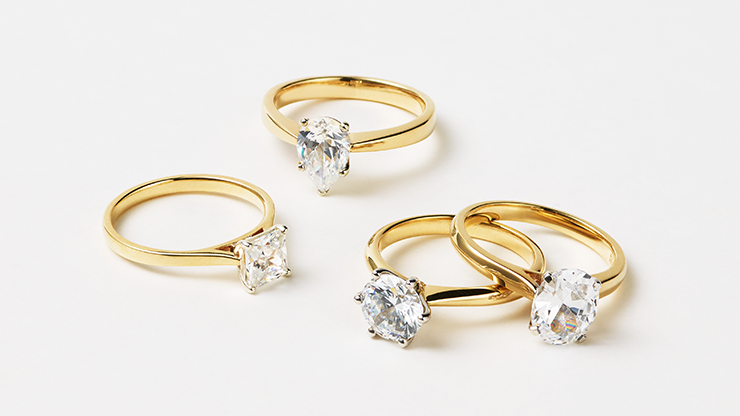
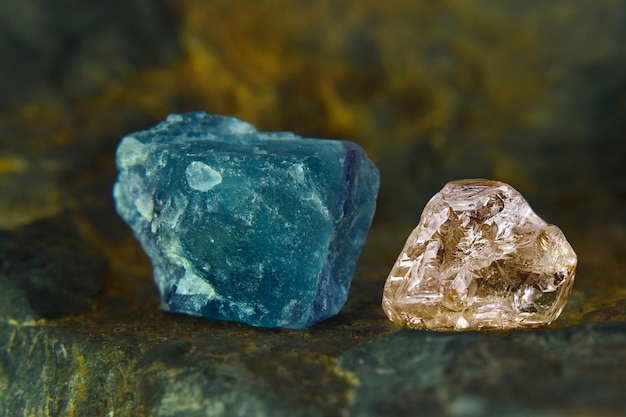
Looking for a ring means more than picking out a gem. It involves selecting an object full of significance and lasting worth. Lab grown diamonds show up emerald engagement rings. They aren’t replacements. Inside labs, people make actual diamonds rather than digging them up. These stones look just like mined ones – same sparkle, same toughness. Where they come from sets them apart. Deep below ground, nature takes eons to build a diamond. In contrast, scientists grow one fast through modern methods. Here’s a thought for you – clear cut, really. Origin versus outcome: which holds greater weight? One might say it depends, yet the answer could lie in what follows after.
Lab Made Diamonds Creation Process
One way involves intense heat alongside pressure deep underground. Another relies on technology that speeds up the process above ground.
High Pressure High Temperature
A slow shift happens when carbon meets crushing weight and fierce warmth below ground. Only after enduring such intensity does it become a diamond.
Chemical Vapor Deposition
A chamber filled with gas sets the stage. Inside, carbon-laden vapor splits apart while atoms stack slowly on a tiny crystal base, building up a gem bit bit. One after another, these processes yield gems just like those pulled from the earth – no difference in makeup or structure. Picture someone handing you two sparklers, one from deep below, one made in a lab. A single stone comes from the earth, while the other forms inside a laboratory. Tools are needed if you want to spot what sets them apart.
Buyers Pick Lab Grown Diamonds
What matters most? Value and clear choices. These stones bring one without losing the other.
- Lower cost for the same size and quality
- Clear origin and traceability
- Wider selection within your budget
- Buyers wanting honesty find it fresh. Clear details stand out now. Truth feels new again. Openness pulls interest today. Straightforward wins trust easily
Just because it works sometimes doesn’t make it perfect every time. Getting more say in how your money is used can shift things in your favor.
Cost Versus Value What Really Costs
What stands out lab made diamonds? Price tends to catch attention early. While lab grown stones generally come cheaper than mined ones that match in quality, money saved isn’t the full story. Other things weigh just as much – how well it’s cut, its clearness, color tint, and whether it’s certified. Savings make sense only when the stone still fits what you want. Think of it like this: For the same amount, picking a bigger man-made diamond without noticeable marks might beat settling for a smaller earth-mined one where flaws show. That balance shapes the real value.
Measuring Quality
A diamond’s quality is judged the same way, whether grown in a lab or pulled from the earth. Its value rides on cut, clarity, carat, plus color.
Cut
Brightness and sharpness depend on the cut. When light bounces just right inside, the stone wakes up.
Color
Faint hints of shade separate most stones from the purest whites. Higher ratings go to those that show almost no trace of tint at all.
Clarity
Inside imperfections are what this checks for. The less there are, the clearer the stone becomes. A clean interior often leads to better transparency.
Carat
Weight matters more than how big it looks. Even if a diamond has good proportions, it might seem bigger than its actual carat number shows. Think about harmony instead of chasing extremes. Hitting top marks across every feature hardly ever happens – plus, it’s usually not needed.
Lab Made Diamonds Durability Explained?
Firmness? Check. These score a full 10 on the Mohs scale – same as mined diamonds. So scratches won’t show up easily. Wearing them every day works fine. Their look stays sharp, year after year. Durability gaps aren’t something you’ll have to think about.
Ethical And Environmental Considerations
Some shoppers care where a diamond comes from, not just how much it costs. Because they’re grown in labs, these stones skip the dangers of digging them up. Worrying about war zone purchases disappears. They also tend to disturb nature far less than classic mining does. Still, the power needed to make them isn’t always the same. Some lab work leaves a heavier mark on the planet than others. When it counts for you, find out what powers the making process instead.
Where They Stand in Ring Selection
A ring’s sparkle isn’t everything. What holds the stone plays an equal role. Those eyeing emerald cut engagement rings often like their sleek lines and flat faces shaped broad facets. Because of how light moves through them, flaws show up fast. That makes clear stones more valuable in these styles. Man-made diamonds offer another path when perfection matters. Picking a cleaner stone doesn’t have to drain your wallet. Say you go for an emerald cut – flawless look, yet still within reach financially.
Common Misunderstandings
Some thoughts tend to trip people up when they shop.
They are fake
This claim holds no weight. Real diamonds they are, possessing identical physical traits.
They do not hold value
Not every ring holds its price like a diamond found in nature. Still, people rarely purchase engagement rings thinking about selling them later.
They look different
Most folks won’t spot any change unless they’ve got tools on hand. Knowing this puts things into sharper view when choosing.
Choosing a diamond that fits your needs
Begin thinking about what matters most to you. Forget what others say should be important. Is size the main draw, or are you more focused on how clear it looks Instead of chasing rarity, consider whether where it comes from truly influences your choice. Hold that thought while checking what fits within your set spending limit. Let each answer guide which options make sense right now.
- Set a budget before you browse
- Compare certified diamonds only
- Focus on cut quality first
- See how things look, then tweak sharpness along with hue. What shows up guides if it needs more brightness or a different shade. Depending on the image, change one after the other slowly. Watch closely before deciding next steps. Fine-tune until the view matches what feels right
If the color shift looks too faint to notice, maybe skip the top-tier grade. Sometimes even small changes matter more than expected. A subtle tint might mean lower grades work just fine. When colors blend close enough, high precision loses its edge. See what stands out under normal light before deciding.
Laboratory Grown Diamonds Best Used In These Situations
Best results come with tight budgets but high expectations. These options shine if the main gem matters most. A preference for shapes such as emerald or oval fits well here. Clarity stands out clearly in designs like emerald-cut bands. When symmetry shows easily, man-made stones allow better quality picks. Smooth purchasing paths often go hand in hand with these choices.
Things to Consider Before Choosing
One path leads underground, the other to a controlled chamber. Either way, it’s still carbon shaped pressure. What matters most shapes what fits best. When size and clarity must meet without stretching funds, stones grown in labs stand firm. Likely, choosing natural stones makes sense if where something comes from matters deeply to you. What feels important to you – over anything said others – should shape the choice.
FAQ
Are lab made diamonds certified?
Fine. Same labs grading real diamonds handle these too.
Can people tell if a diamond is lab made?
Finding a gap? Not without gear built for it. Looks identical when common methods are used instead.
Do lab made diamonds last forever?
Fine. Just like real diamonds, these last just as long and handle daily use without trouble.